
Do dogs dread the fourth of July?
June 19, 2011 • Health & Wellness •

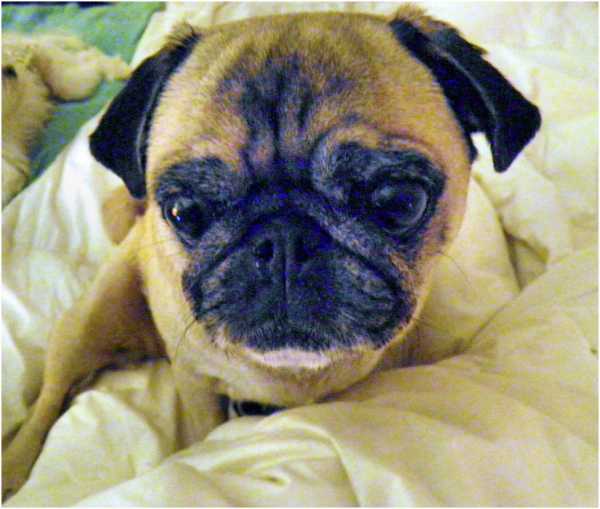
CRACK! BOOM! BANG! The sounds of Independence Day celebrations can send some dogs into sheer panic. According to the Humane Society of America, “Pets often become frightened and frantic by the noise and commotion of Independence Day. Animal shelters across the country are accustomed to receiving ‘July 4th dogs’ who run off during fireworks celebrations and are rescued by animal control officers or Good Samaritans who take them to the safety of a local shelter.”
Does firecracker noise hurt my dog’s ears?
A dog’s ears are extremely sensitive, and loud noises can be painful for them. Dogs hear sounds about four times further away than a person with normal hearing. Dogs also have the ability to hear higher pitched sounds we humans can’t hear. In fact, dogs can detect sounds in a frequency range of about 67 to 45,000 Hz (it varies by breed), compared to a human frequency range of 64 to 23,000 Hz.
Why do some dogs react to noise more than others?
No one knows for sure why some dogs have a noise phobia but some studies point to genetics as a possible explanation. A report by the Journal of the American Animal Hospital Association, suggests that certain breeds, “seem to be more likely to develop a storm phobia than other dogs.” The list includes herding dogs, such as collies and German shepherds, as well as hounds, such as beagles and Basset hounds.
According to Dr. Nancy Dreschel, a veterinarian who conducted research on storm anxiety in dogs, 15 to 30 percent of dogs are affected by fear of thunderstorms. “Shelter dogs seem to have a higher incidence of storm phobia, perhaps due to insecure feelings or previous scary experiences. Dogs with separation anxiety are also more likely to have noise and thunderstorm phobias.”
How can I tell if my dog has a noise phobia?
Fear is a normal reaction when an animal is faced with a situation it perceives as dangerous. However, pets suffering from a phobia or chronic anxiety are often hypervigilant. To an excessive degree, they may bark, howl, tremble, pant, pace, urinate, drool or hide.
“A pet that experiences frequent or excessive anxiety or fear is suffering, so it’s important to take action as soon as possible,” said Heidi Lobprise, DVM, Virbac Animal Health. “If treatment is delayed, stress and anxiety can lead to more extreme reactions or aggression. It can even make some health conditions worse, such as skin and digestive problems or heart disease.”
What’s the best way to help a dog with a phobia?
“Noise phobia is difficult to treat because it’s difficult or impossible to control the stimuli…thunder…fireworks,” says Christine Hibbard, a certified dog trainer and counselor. “Your veterinarian is your best line of defense.”