
Furnace on? Pet dust mite allergy season is on too
November 30, 2011 • Health & Wellness •

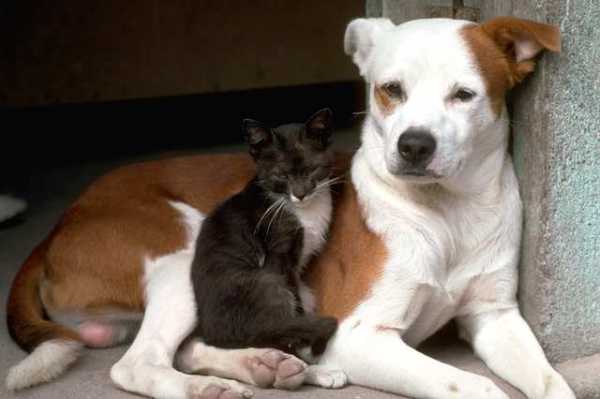
The early winter has arrived. The seasonal pollens have dissipated, the house is closed up for cold weather and you have switched the furnace on. So why has your dog started scratching or licking his/her paws? Or why has your cat started scratching, over grooming or showing symptoms of asthma? These signs may be from an allergy to dust mites as this is the season for dust mite allergy flare-ups. The Center for Animal Referral and Emergency Services (CARES) in Langhorne, Pa. and its Board Certified Veterinary Dermatologist, Dr. Noel Radwanski, DACVD, have more information for your audience. Facts about dust mites include:
- Pets are allergic to the dust, dust mite dander and excrement. This is disturbed when a furnace is turned on, forcing air through vents that have a buildup of dust from the summer months.
- Dust mites live in pet beds, upholstery, furniture, mattresses and bedding.
- Pet symptoms will flare-up more often at night when they are laying in their bed, on furniture or in your bed. Symptoms can also be heightened in the morning when they just get up from these areas.
- Dust mites are a part of our natural environment and both humans and pets can have allergies.
Dr. Radwanski says there are several things you can do to decrease your pet’s exposure to dust mite allergens, including:
1. Use HEPA filters in the home to decrease dust mite exposure.
2. Use allergen-proof bed covers on your bed, dog and cat beds. Cover with dust-proof or allergen-blocking covers.
3. Keep humidity low. Maintain a relative humidity between 30 and 50 percent in your home. A dehumidifier is easy to find.
4. Buy washable pet beds and toys. Wash regularly to keep clean.
5. Wash pet beds every few weeks and replace pet beds every 6 months.
6. Vacuum regularly. Vacuuming carpeting and upholstered furniture removes surface dust — but vacuuming isn't effective at removing most dust mites and dust mite allergens. Use a vacuum cleaner with a double-layered microfilter bag or a high-efficiency particulate air (HEPA) filter to help decrease house-dust emissions from the cleaner.
7. Vent Cleaning. There are many companies who will completely clean out your central vent/furnace system and it’s suggested this be done annually.
Dr. Radwanski says if you see the symptoms after you turn on your furnace or in the early winter, take your pet to your family veterinarian. He/She can assess if your pet needs advanced allergy testing and diagnostics. For more information, go to http://www.vetcares.com.
Learn more about the Center for Animal Referral and Emergency Services (CARES) by visiting their Facebook page: http://www.facebook.com/CARESvet
Join the FIDO Friendly magazine pack and never a single issue of the one magazine your dog will thank you for.