
Is Telemedicine the Future of Veterinary Care?
June 17, 2020 • At Home • Health & Wellness

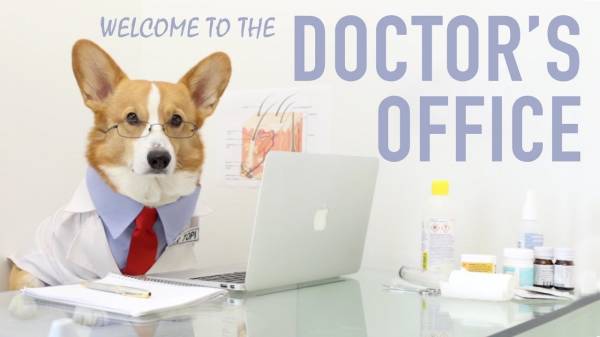
Making the Most of Veterinary Telemedicine
By Dr. Zack Mills, DVM, Tiger Tails Animal Hospital, Duluth, Georgia
When the COVID-19 pandemic forced medical offices to close, it wasn’t just humans that were affected—veterinarians have also had to shut their physical doors to most furry patients. Veterinary telemedicine quickly came into great demand as our clients learned it could offer the same benefits for animal owners, patients and veterinarians alike. Many veterinary practices, including my own – Tiger Tails Animal Hospital in Duluth, Georgia – saw an instant uptick in telemedicine appointments.
At my practice, we went from seeing just two or three telemedicine patients a month to seeing two to three each day. Our clients were happy to find some comfort during this very uncertain time that we would and could still provide the same level of care for their beloved animals through telemedicine.
To help veterinarians meet this growing digital demand, on March 24 the U.S. Food and Drug Administration announced it would temporarily suspend the requirement that veterinarians must examine animals in-person before beginning telemedicine.1 Several states took similar steps. Not only does this change help reduce human-to-human interaction and potential spread of COVID-19, it has also allowed many veterinary hospitals to ensure they could continue to care for both current and new clients. We heard from most of our clients that they greatly appreciated that telemedicine was offered as a service—and could help keep them and their animals safe.
There are a few areas for dogs and cats that I’ve observed that are useful to address through telemedicine. For dogs, the most common ailments, including skin issues, allergies, ear infections, gastrointestinal issues, walking issues, coughing and respiratory issues, can be evaluated via telemedicine. For cats, we see ailments including upper respiratory infection because of stress, urinating outside the litter box and gastrointestinal issues.
As you prepare for your pet’s telemedicine appointment, there are a few things that your local veterinarian might ask of you during the session, such as taking your pet’s temperature, inspecting your pet’s gums, swabbing an ear, looking at paws and providing a detailed history about your pet’s recent mood or behavior.
We’ve learned a lot about telemedicine best practices for pet owners, as well. Whether you are preparing for your first telemedicine appointment or are a telemedicine pro, keep in mind these tips to make the most out of your time:
• Confirm telemedicine is the right choice for you and your pet.
Not all vet appointments are created equal. It’s important to talk to your veterinarian in advance to decide whether telemedicine is an appropriate option or if a physical appointment is required. This will ensure your pet is getting the proper care when they need it most.
• Determine your veterinary’s office preferred app—before your appointment time.
It’s important for pet owners to download the telemedicine app onto their preferred mobile device prior to the appointment. This will give you the opportunity to make sure the app is working properly and ensure you’re getting the most out of your appointment time. You might consider PetPro Tele+ because it does not require integration with your vet clinic's practice-management system and people can start using it within minutes. It also lets pet owners share photos, videos and other info with a veterinarian before and/or during a virtual appointment. This platform can be accessed in the U.S. via www.petproconnect.com/teleplus.
• Get your notes in order.
It’s helpful to email any questions or concerns you have about your pet, as well as send through any important information, in advance. This will help the veterinarian properly prepare so you and your pet get the most out of your appointment.
• Determine if your pet will have a starring role.
Many pets cannot or will not be able to be on camera for the entire call. When preparing for the appointment, ask how front-and-center your pet should be. Like others, our office usually recommends having your pet nearby to bring on camera as needed.
• Align on your next steps before ending the call.
Before your appointment ends, make sure you understand what you need to do next. Will a follow-up telemedicine visit be needed? Will you need a prescription? This will help set expectations and ensure your pet receives the proper care.
Veterinary telemedicine will continue to benefit clients and their pets even after in-person appointments have returned. It adds another option for clients based on their needs. Veterinary telemedicine appointments with your trusted, local vet could be the future—and we bet your pets who hide before their trips to the vet couldn’t be happier to hear it.
Reference:
1. FDA. Enforcement Policy Regarding Federal VCPR Requirements to Facilitate Veterinary Services. https://www.fda.gov/regulatory-information/search-fda-guidance-documents/cvm-gfi-269-enforcement-policy-regarding-federal-vcpr-requirements-facilitate-veterinary. Accessed May 2020.