Seasonal Injuries In Pets: What Pet Owners Should Know All Year
July 10, 2025 • Health & Wellness

(photo credit: Microsoft Stock Images)
Every season brings unique challenges for pets, from hot sidewalks to icy driveways. While many pet owners focus on routine care, they may overlook the environmental risks tied to weather changes. Each shift in temperature, daylight, and landscape introduces new opportunities for accidents or health issues. Staying alert to these patterns helps protect animals from avoidable harm.
Spring Hazards: Allergies and Paws
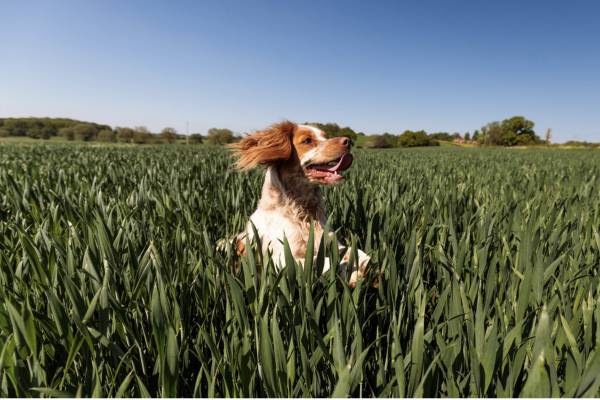
As temperatures rise and plants bloom, many pets experience allergic reactions. Pollen, mold, and new grasses can trigger skin irritation, sneezing, and watery eyes in both dogs and cats. Paws are particularly vulnerable during this time. Soft pads can be scraped or punctured by sharp new growth in parks or on trails. Fertilizers and garden chemicals are also more common during this season and can cause chemical burns or gastrointestinal issues if licked from fur or paws.
Ticks also become active in the spring and can transmit Lyme disease and other infections. Daily checks after outdoor activity are critical. Avoiding tall grass and wooded areas or using vet-approved preventatives can reduce the risk significantly.
Summer Concerns: Heat and Outdoor Injuries
Summer increases the risk of heat exhaustion and paw pad burns. Even short walks on sun-exposed concrete can cause blistering or pain. Dogs cannot regulate heat as efficiently as humans, so overheating can happen quickly. Signs include excessive panting, drooling, lethargy, and vomiting. Never leaving pets in parked vehicles is a widely known rule, but it still needs constant reinforcement. A car can become lethal in minutes, even with cracked windows.
Outdoor activities like hikes, swimming, or time at the beach also come with risks. Debris in water, hot sand, or interactions with wildlife can lead to cuts, sprains, or infections. Sand ingestion, which some dogs do while playing or digging, can lead to serious digestive blockages.
Fall Dangers: Wildlife and Rotting Debris
As cooler temperatures set in, animals may become more active at dawn and dusk. Encounters with raccoons, skunks, or even porcupines can lead to bites, scratches, or unpleasant sprays. Some pets are more likely to chase or challenge these animals during the fall, especially if they are off leash. Keeping pets supervised and on marked paths is safer for everyone involved.
Fallen leaves and organic debris may seem harmless but can harbor mold and bacteria. Dogs and cats that sniff or chew decomposing material can suffer from respiratory infections or digestive upset. Monitoring what your pet sniffs or mouths during fall walks can prevent exposure to harmful bacteria or toxins.
Winter Issues: Ice, Salt, and Indoor Accidents
Snow and ice increase the likelihood of slips and joint injuries, particularly for older pets or those with existing mobility issues. Street salt can irritate paws, causing cracking or chemical burns. Many pets will attempt to lick their paws after walks, leading to ingestion of toxic materials. Using pet-safe booties or cleaning paws after outdoor activity helps reduce these risks.
Inside, space heaters and fireplaces present another set of hazards. Pets may curl up too close and suffer burns. Holiday decorations, including lights and tinsel, can also lead to injury or intestinal blockages if chewed or swallowed. Cold weather may keep pets indoors more often, increasing their exposure to these indoor dangers.
Knowing When to Seek Help
While prevention is important, recognizing injury or illness early is just as critical. Sudden limping, lethargy, changes in appetite, or excessive licking of one area should prompt attention. Minor issues can worsen quickly if not addressed. Finding trusted care, such as experienced vets in Lincoln Park (or those more local), can make a significant difference in treatment outcomes and recovery.
Caring for a pet through the seasons involves more than keeping them warm or cool. Each time of year brings specific hazards that require attention. Pet owners who stay alert to these seasonal changes are better equipped to protect their animals and respond promptly if something goes wrong. Small habits, like wiping paws or inspecting fur after outdoor play, go a long way in preventing injury. For more information, check out the accompanying resource below.