Unraveling the mystery that is FIDO’s DNA
March 10, 2011 • Trends • Most Popular

“CSI: Canine Sequencing Investigation”
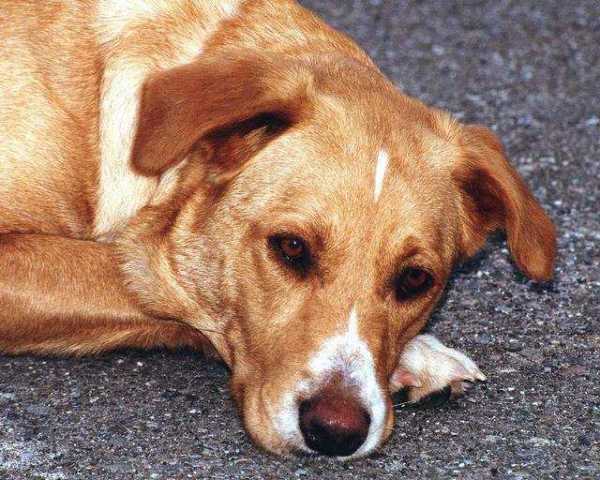
“What an unusual bark!” Fido’s guardian was dumbfounded. After spending nearly $800 in veterinary bills and fearing throat cancer, Canine Heritage to the rescue. With the simple swipe of a soft-bristled brush inside Fido’s cheek, the strangulated bark had a reason: Fido’s DNA revealed Basenji composition, a breed known for its unusually raspy sounding wail.
Tom Russo, CFO of the company and head of canine program for Metamorphix, one of the world’s most experienced canine DNA laboratories, reports similar customer comments regularly. “Dogs may appear to look like a certain breed but genetically might be a much different animal. Sometimes owners try to break a dog of a certain habit and may not realize that trait was bred into him. Once owners find out their dog’s DNA and breed heritage, their lives change. We consider ourselves advocates for the dog.”
Beyond curiosity, DNA testing for breed identification extends into the healthcare spectrum. Russo continues, “There is a strong correlation between certain ailments and disease with particular breeds. For example, Labrador Retrievers are prone to hip dysplasia and Collies are prone to blindness. Once breeds are revealed from DNA testing, veterinarians can institute preventative care from a health maintenance and preventative perspective. This goes way beyond curiosity of breed identification.”
Dr. Marta Castelhano, a research associate at the Cornell College of Veterinary Medicine in Ithaca, New York, knows first hand how clinically valuable canine DNA is. “We opened our DNA bank in 2006 because we saw the potential for disease identification based on our clients. With about 5500 animals enrolled in the DNA bank, we have listed for 155 diseases and are hoping to genetically map and find the gene(s) contributing to these diseases.”
Why is this so important? Coupled with a grant from the National Institutes of Health (NIH), Cornell hopes that advancements in canine genetic diseases will complement their human counterparts. “We are also using healthy Labrador Retrievers to provide a control group for gene discovery of various diseases. The DNA from these healthy dogs will help improve the quality of life for future generations of Labradors. After this study, we’ll move on to another breed,” Castelhano disclosed.
Moving on to other breeds indeed: as part of a collaborative partnership worldwide, Castelhano and a team of veterinarians spanning the globe are attempting to determine where the first dog was domesticated. Collectively, the team seeks canine domestication roots in analyzing DNA of dogs found exclusively in certain regions of the world.
With all of this canine DNA, just who is helping to cure canine cancer? The Morris Animal Foundation’s Canine Cancer Campaign in conjunction with 8 veterinary teaching hospitals/universities are in the process of collecting 3000 samples in 7 different cancer types (over 2000 samples collected to date). Dr. Wayne Jensen, CSO, revealed, “The reason genetic testing is important for canine cancer is we know that the prevalence of various cancers differs between breeds. This suggests genetics plays a role in the development of these cancers. We hope to identify those genetic tendencies that are responsible for the increased risk of specific cancers in certain breeds.” How close to cancer prevention are we? Jensen is hopeful. “We hope within 5 years to be able to effectively screen for cancer prevention.”
Mixed breed guardians rejoice with your purebred counterparts! The AKC decided that in April of 2010, it will allow mixed breeds to compete in its existing agility, obedience and rally events. Canine Heritage is the company testing the mixed breed background of these dogs. “Animals can look the same and be genetically completely different. Similarly, dogs that look dissimilar may have the same genetic composition. It’s not as black and white as people might think.”
Black, white, purebred or mixed variety, Fido makes our worlds go round. With the help of DNA and genetic testing, we can help continue to make him a part of our world for generations to come.
QUESTION: Have you and/or would you ever consider doing a DNA test on your Fido to determine his or her breed composition?